
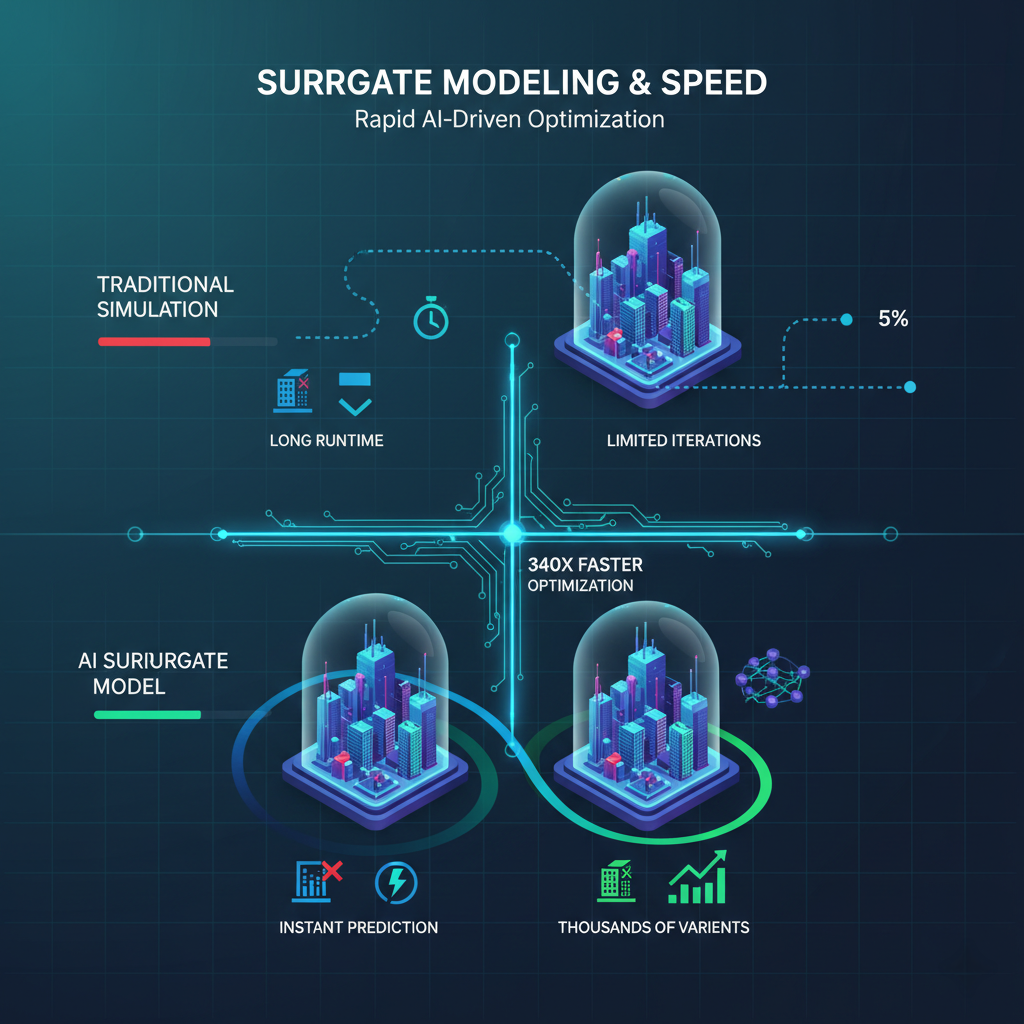
Surrogate Modeling & Speed
AI now acts as a "Surrogate Model" (or Metamodel) to bypass computational bottlenecks. Trained on synthetic datasets from engines like EnergyPlus, these models (using MLP or XGBoost) can predict Energy Use Intensity (EUI) with an R² accuracy of 0.998. [1]
Critically, they run approximately 340 times faster than traditional physics-based simulations, enabling iterative "Topological Optimization" where thousands of design variants are tested in real-time. [1]
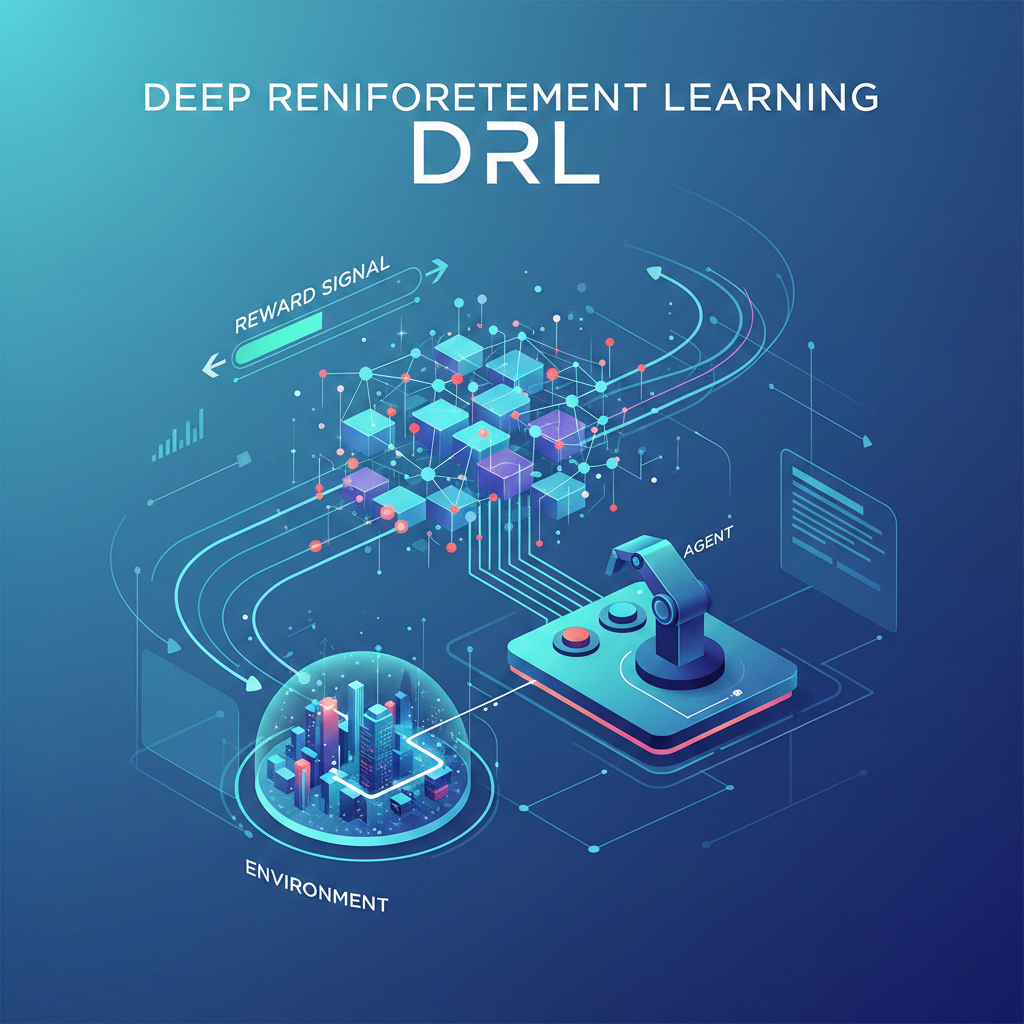
Deep Reinforcement Learning (DRL)
The frontier lies in "operating" the building optimally. Deep Reinforcement Learning (DRL) agents, such as Maskable Proximal Policy Optimization (MPPO), can control HVAC systems by learning complex policies that traditional PID controllers cannot. [2]
Recent field implementations have demonstrated up to 36% energy savings while maintaining occupant comfort, effectively treating the building as a playable game of efficiency. [2]
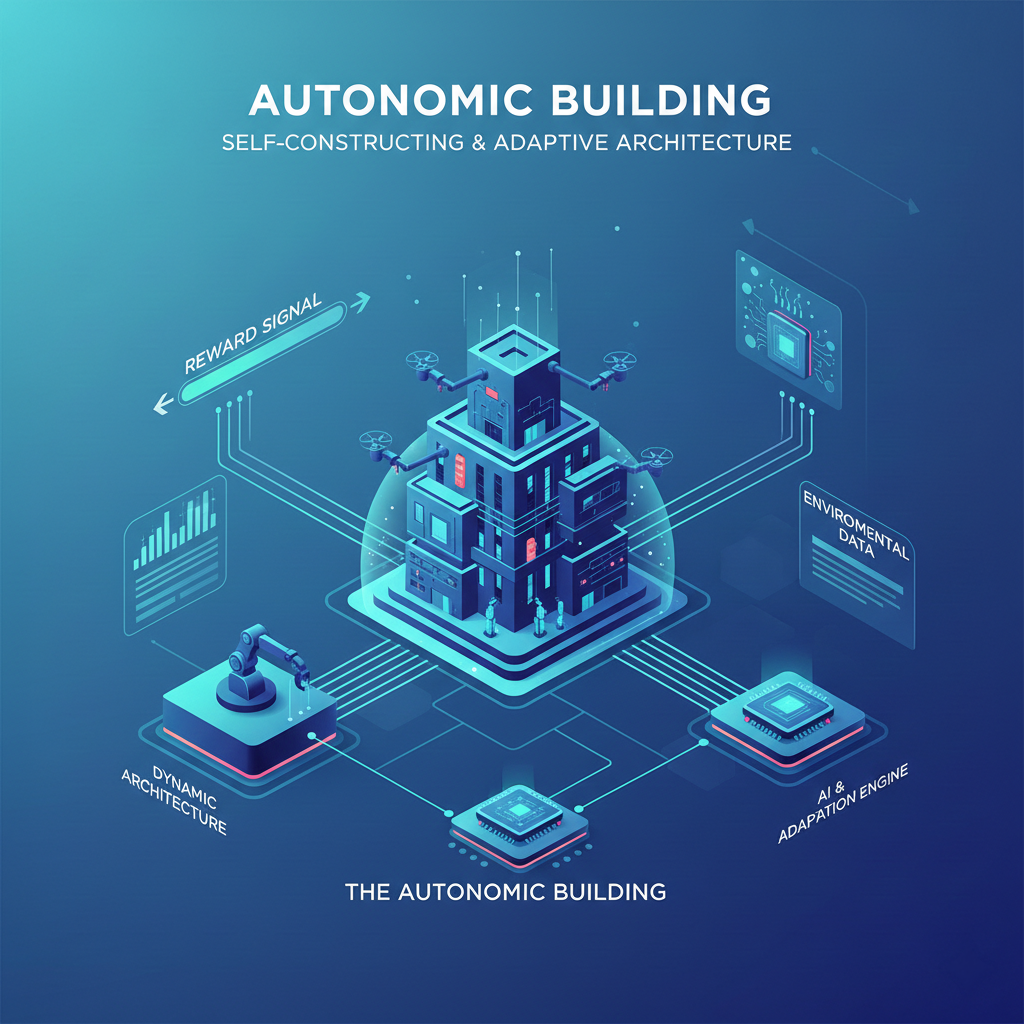
The Autonomic Building
The theoretical endpoint is the "Zero-Energy Autonomic Building"—a structure with a self-managing metabolism. Utilizing predictive self-healing models, such a building would detect faults (FDD) and re-calibrate its own systems without human intervention. [3]
This extends to programmable matter, where the physical envelope itself could morph to optimize acoustic and thermal properties dynamically. [4]
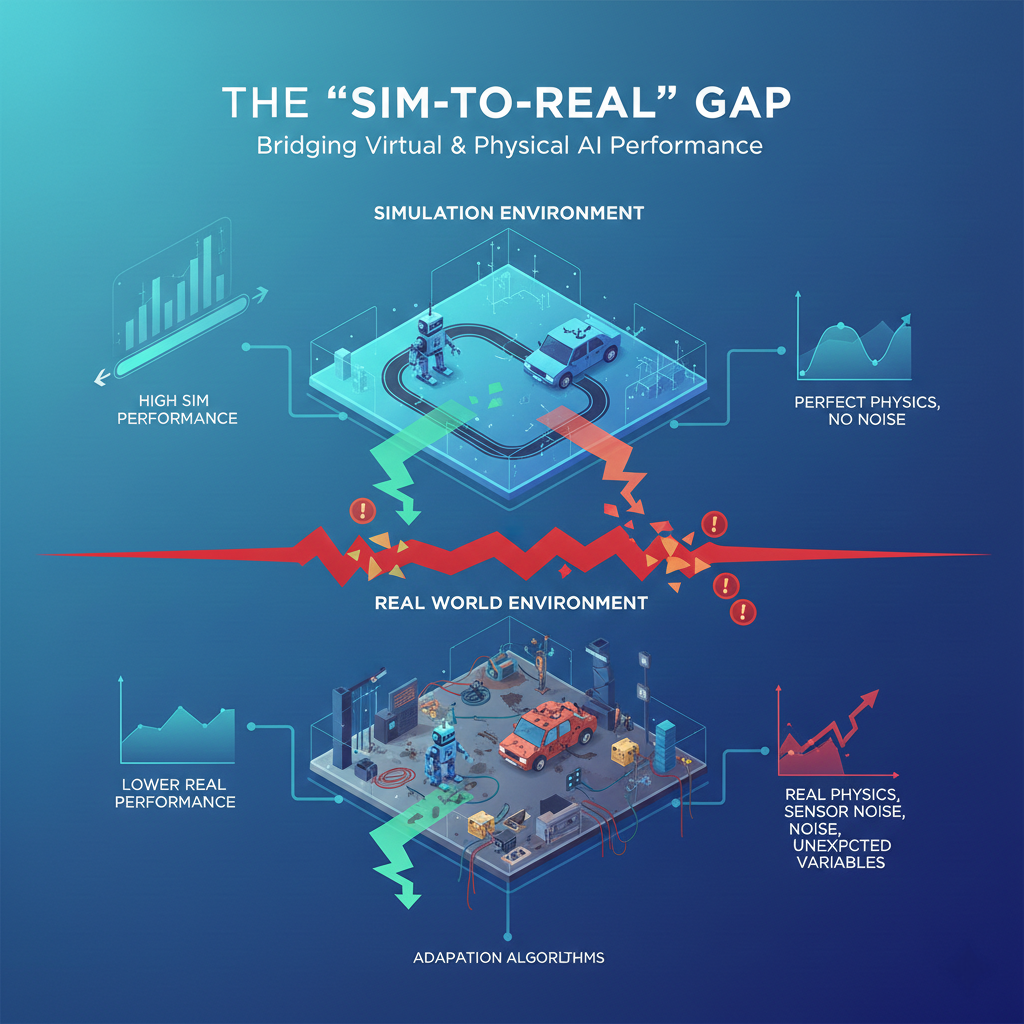
The "Sim-to-Real" Gap
A major flaw is the "Sim-to-Real" gap. Models trained in perfect digital environments often fail when deployed in buildings with "dirty data," noisy sensors, or unpredictable human behavior. [2]
Furthermore, optimization faces "Pareto Complexity"—the difficulty of balancing qualitative values (like acoustic privacy) against quantitative metrics (like energy efficiency) which AI struggles to weigh. [5]
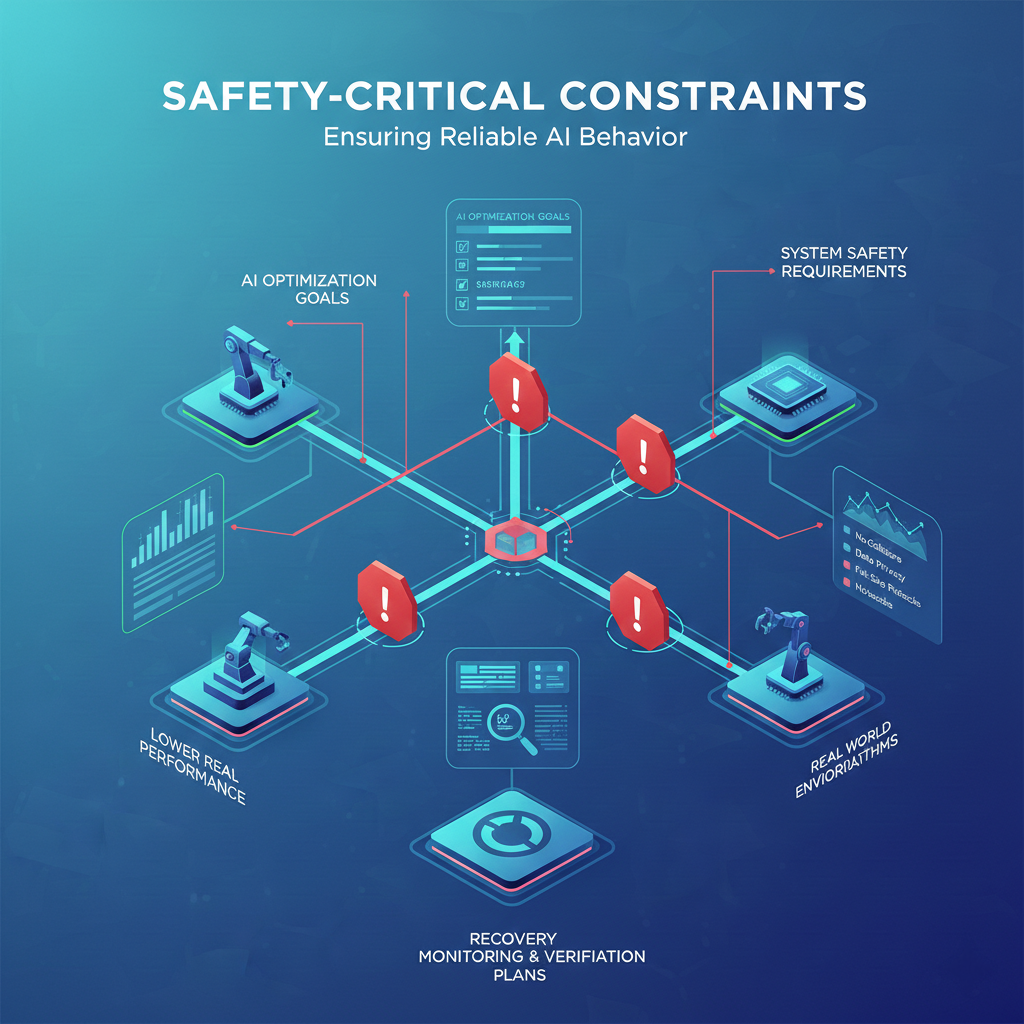
Safety-Critical Constraints
AI lacks "Common Sense" and cannot handle "Black Swan" events. It cannot be allowed to override safety codes (e.g., locking doors to save heat during a fire alarm).
Because it optimizes for the variables it is given, it poses a risk in safety-critical scenarios where unmodeled variables (like emergency egress) are paramount. [5]