
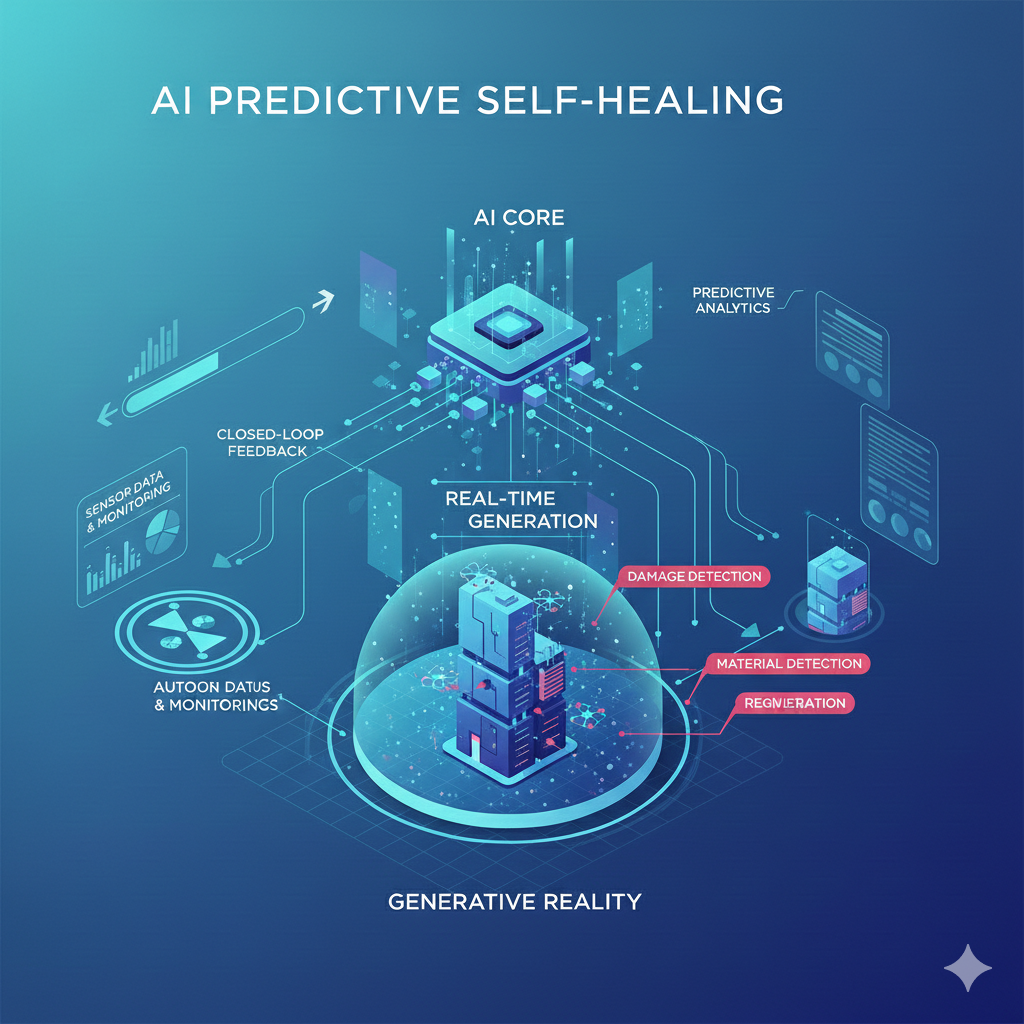
Predictive Self-Healing
Current AI integration extends beyond design into the lifespan of the building itself. Predictive models now integrate AI and IoT for autonomous fault detection, allowing production lines and building systems to identify irregularities before failure occurs. [34]
These "self-healing" models utilize real-time sensor data to optimize performance, marking the first step toward buildings that act as biological organisms rather than static shells.
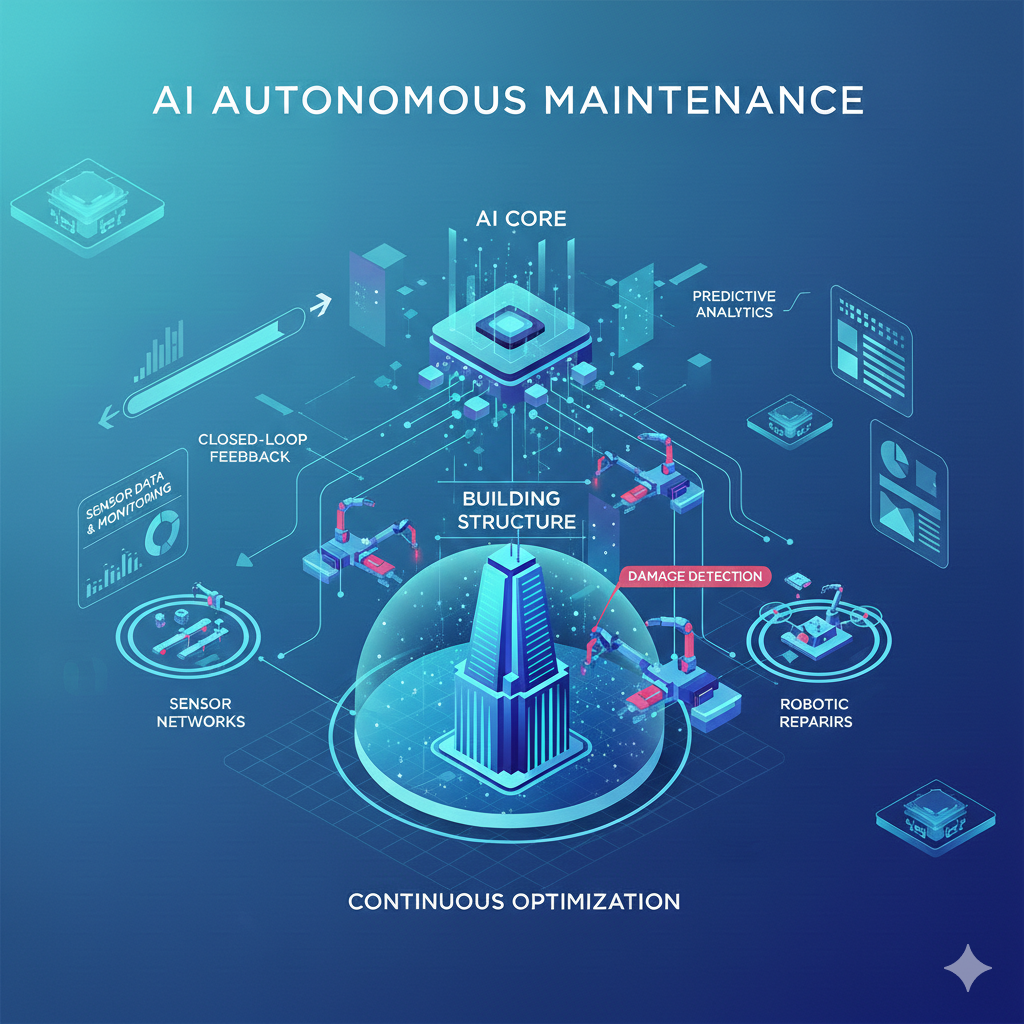
Autonomous Maintenance
The research frontier is defined by the shift from "monitoring" to "repairing." Self-learning technologies are being developed to establish fully autonomous building maintenance, reducing the need for human intervention in hazardous or repetitive repair tasks. [35]
This involves robotic agents capable of diagnosing structural fatigue and executing repairs, effectively closing the loop between digital diagnostics and physical remediation. [36]
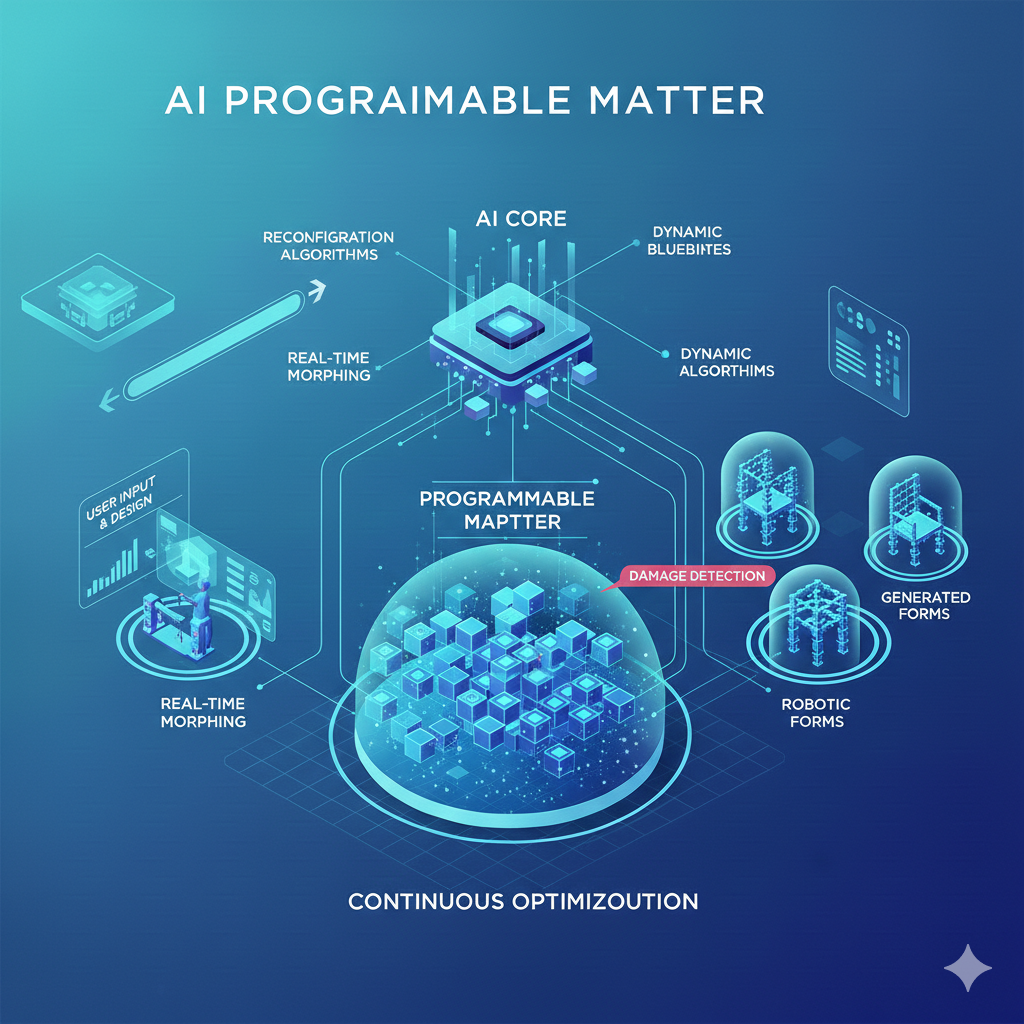
Programmable Matter
The theoretical endpoint of this category is "Programmable Matter"—substances that can change their physical properties (shape, density, conductivity, or optical properties) on demand based on user input or environmental stimuli. [37]
Such materials, often referred to as "Claytronics" or "shapeshifting matter," would render static construction obsolete, allowing architecture to morph dynamically in real-time. [38]
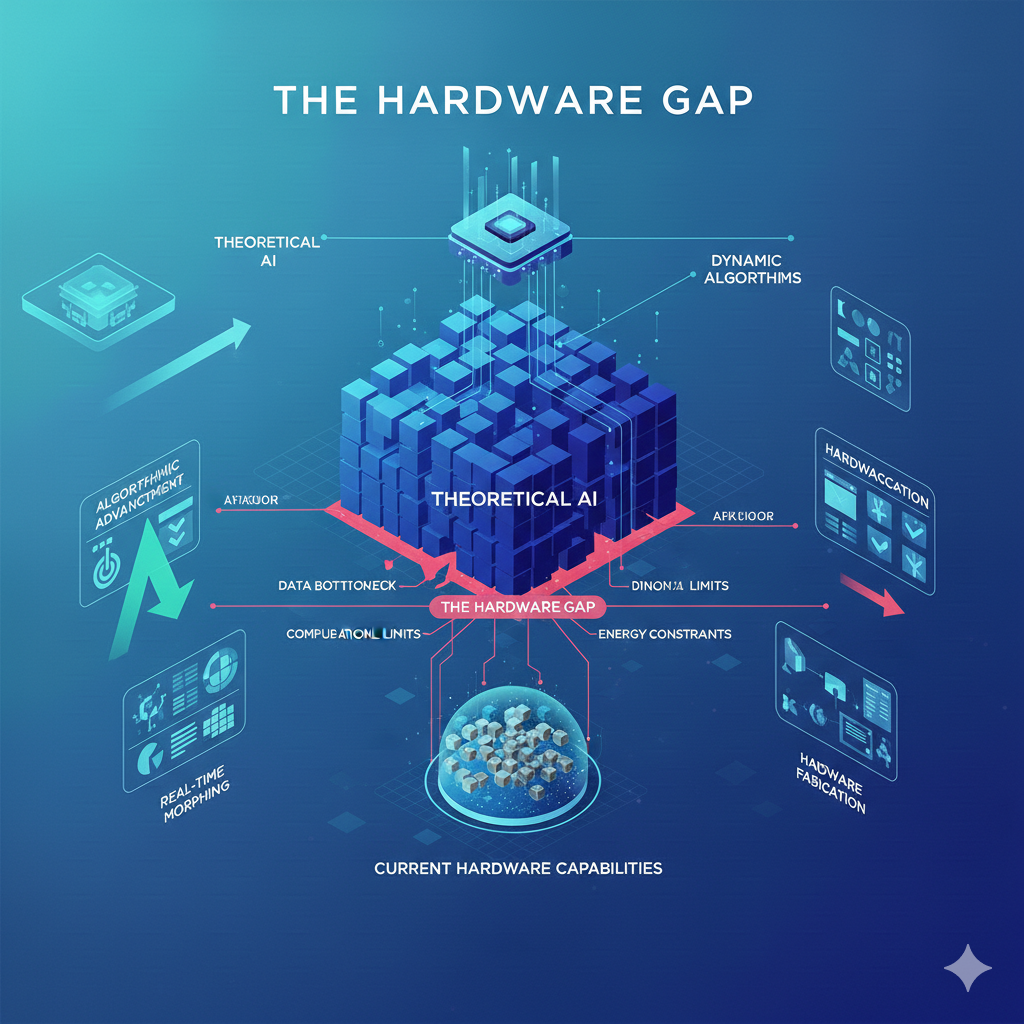
The Hardware Gap
While AI software evolves exponentially, robotic hardware and material science evolve linearly. The "brain" of the building (AI) currently far outpaces the "body" (actuators and materials).
Autonomous systems frequently fail in unstructured construction environments where dust, weather, and unpredictable human behavior disrupt the delicate calibration of self-repairing mechanisms.
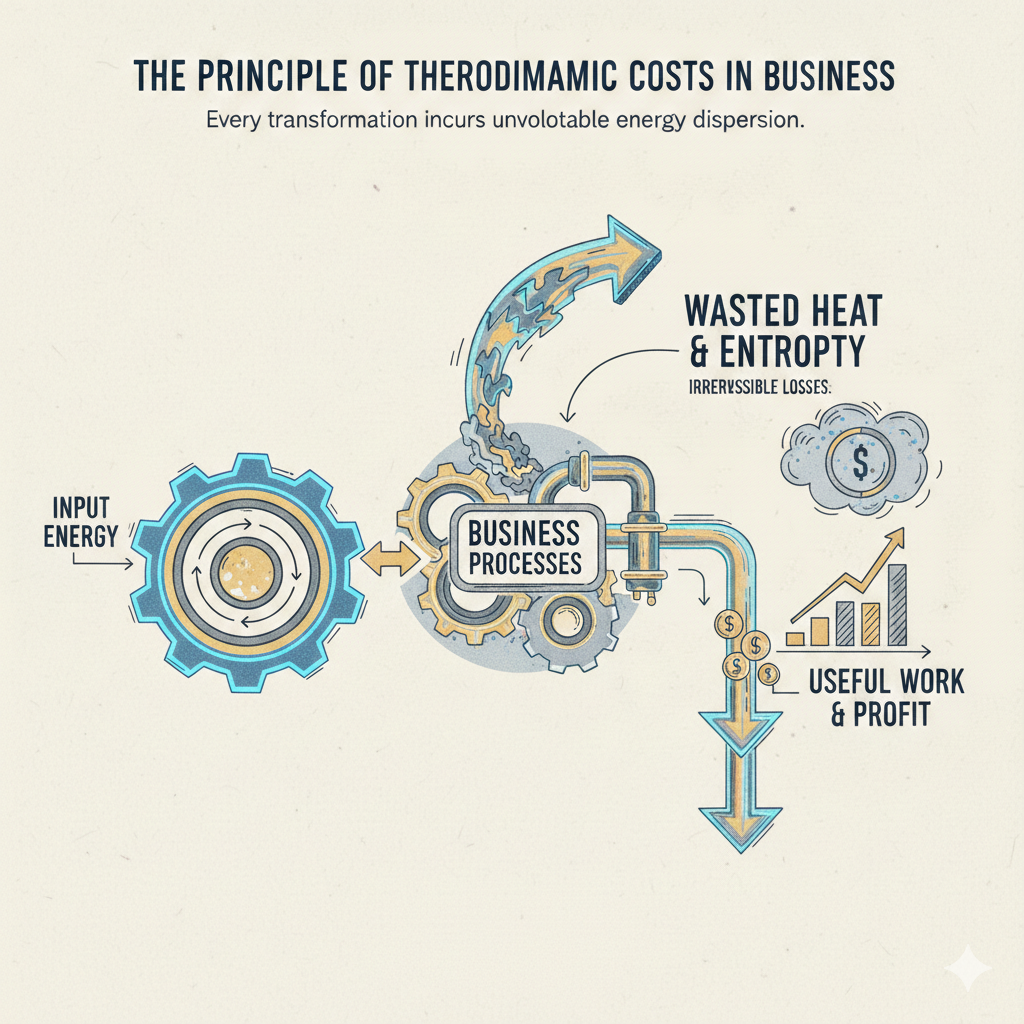
Thermodynamic Costs
Programmable matter and active self-healing systems face a severe thermodynamic penalty. Keeping a material "active" and ready to morph requires constant energy input, unlike static materials (stone, wood) which require zero energy to maintain their shape once placed.
The energy cost of maintaining a "living" building may outweigh the sustainability benefits of its longevity.